Ghana Travel Guide for First-Time Visitors: What to Know Before You Go
Ghana is one of West Africa’s most rewarding countries for first-time visitors. It offers a powerful mix of history, culture, food, beaches, music, markets, wildlife, waterfalls and deeply meaningful heritage sites.
But if this is your first trip to Ghana, especially from Europe, North America, Asia or Australia, it helps to arrive prepared. Ghana is welcoming, energetic and full of memorable places — but travel here works best when you understand the basics before you book.
This guide covers what to know before your first visit: entry requirements, health checks, safety, money, transport, where to start, what to pack and how to plan your first route.
Before you book: check the official advice first
Travel information changes. Entry rules, health requirements, regional security advice and local access conditions can all change before your trip.
Before booking flights, hotels or tours, check official travel advice from your own government and relevant health authorities. For UK travellers, the Foreign, Commonwealth & Development Office publishes Ghana travel advice covering warnings, entry requirements, safety, regional risks, health and getting help.
US travellers should check the US Department of State Ghana travel advisory. The current advisory tells US citizens to exercise increased caution in Ghana and highlights additional risks in some northern border areas.
Canadian travellers should check the Government of Canada Ghana travel advice, which currently advises travellers to exercise a high degree of caution in Ghana and avoid non-essential travel near the Burkina Faso border.
For health planning, check CDC or TravelHealthPro guidance before you travel. CDC recommends malaria prevention medicine for travellers going to Ghana, and TravelHealthPro states that a yellow fever vaccination certificate is required from travellers over 9 months of age.
Do you need a visa for Ghana?
Many visitors need a visa or electronic travel authorisation before travelling to Ghana, depending on nationality and passport type.
Ghana now has an official eVisa portal operated by the Ghana Immigration Service in collaboration with the Ministry of Foreign Affairs. The portal describes itself as the official government platform for Ghana eVisa and Electronic Travel Authorisation applications.
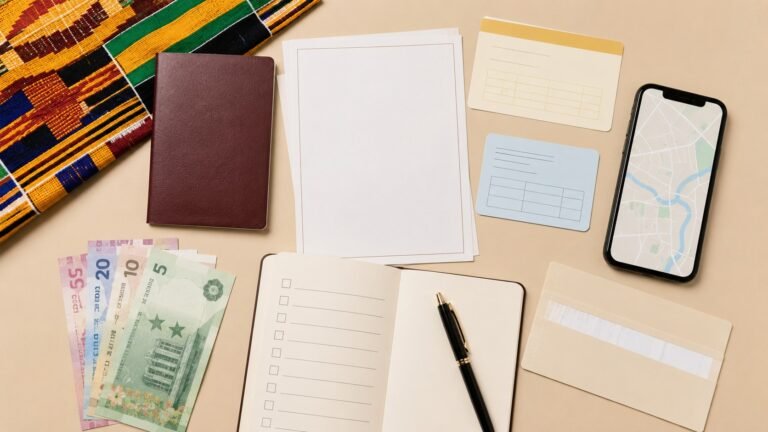
Before applying, check your eligibility, passport validity, required documents, processing times and the latest instructions from Ghana Immigration Service or the Ghana mission responsible for your country. UK travellers should also check the Ghana entry requirements page on GOV.UK, which explains visa application requirements and supporting documents.
Do not leave this until the last minute. Visa and document issues can spoil an otherwise well-planned trip.
Yellow fever, malaria and travel health
Ghana is a yellow fever risk country, and proof of yellow fever vaccination is commonly required for entry. TravelHealthPro states that, under International Health Regulations, a yellow fever vaccination certificate is required from all travellers over 9 months of age.
Malaria is also a serious consideration. CDC recommends that travellers going to Ghana take prescription medicine to prevent malaria and speak to a doctor about which medication is suitable.
Before travelling, speak to a travel clinic or healthcare professional about:
- Yellow fever vaccination
- Malaria prevention tablets
- Routine vaccines
- Mosquito bite prevention
- Travel insurance
- Any medication you need to carry
- Food and water precautions
This is not the exciting part of travel planning, but it is one of the most important.
Is Ghana safe for first-time visitors?
Many visitors travel around Ghana safely and have positive experiences. That said, Ghana is still a real-world destination where you should use sensible precautions, especially in busy cities, markets, nightlife areas, transport hubs and remote rural locations.
Official travel advice from the UK, US and Canada highlights crime risks and regional warnings, especially in some northern border areas.
For most first-time visitors, practical safety comes down to:
- Keep valuables discreet.
- Avoid walking alone late at night in unfamiliar areas.
- Use trusted transport, hotel-arranged drivers or recognised ride-hailing where available.
- Take extra care in crowded markets and bus stations.
- Confirm travel routes before heading to remote areas.
- Use local guides for heritage, rural, waterfall, wildlife and border-region trips.
- Check the latest official advice before travelling outside major tourist routes.
Ghana is not a destination to fear, but it is a destination to approach with awareness.
Where should first-time visitors start?
For a first trip, do not try to see everything. Ghana rewards slower travel.
A strong first-time route is:
Accra
Start in Accra for independence history, museums, markets, art, food, beach life and nightlife. Good first stops include Kwame Nkrumah Memorial Park, Independence Square, W.E.B. Du Bois Centre, the National Museum of Ghana, Makola Market, Accra Arts Centre and Labadi Beach.
Cape Coast and Elmina
Cape Coast and Elmina are essential for understanding Ghana’s coastal heritage and the transatlantic slave trade. Cape Coast Castle and Elmina Castle are emotionally heavy but important visits. Kakum National Park can be added for rainforest and canopy-walk experiences.
Kumasi and Ashanti Region
Kumasi is ideal for visitors interested in Asante history, royal heritage, kente, adinkra, markets and traditional craft villages. Manhyia Palace Museum, Kejetia Market, Bonwire and Ntonso are strong first-time additions.
Eastern Region or Volta Region
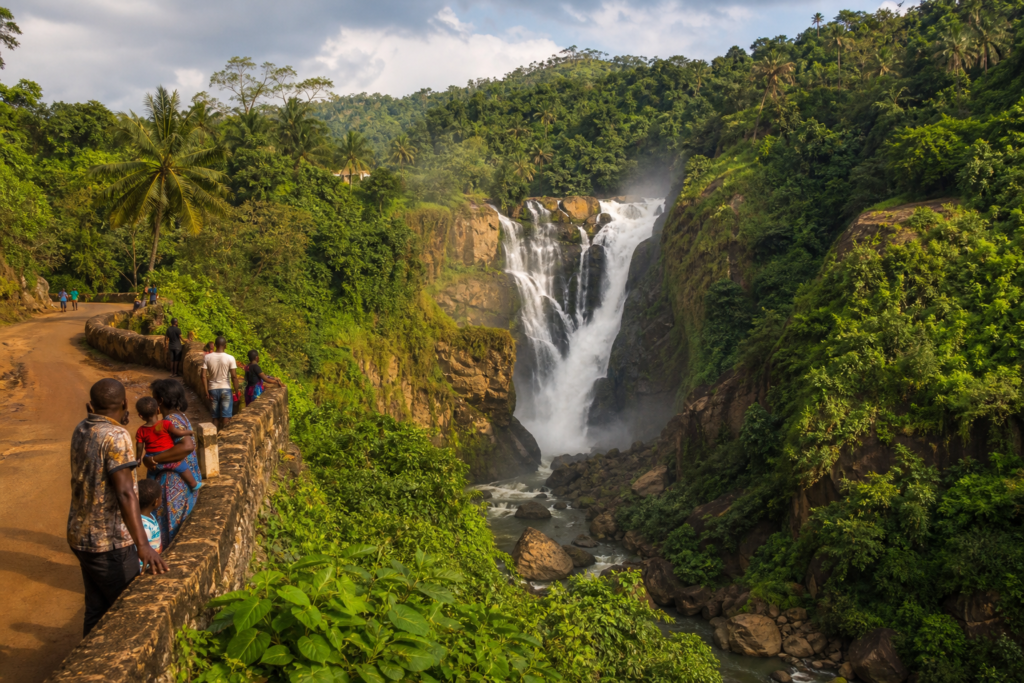
If you want gardens, waterfalls, mountains and quieter landscapes, add the Eastern Region or Volta Region. Aburi Botanical Gardens, Boti Falls, Akosombo, Wli Waterfalls, Mount Afadja and Tafi Atome are popular options.
Northern Ghana
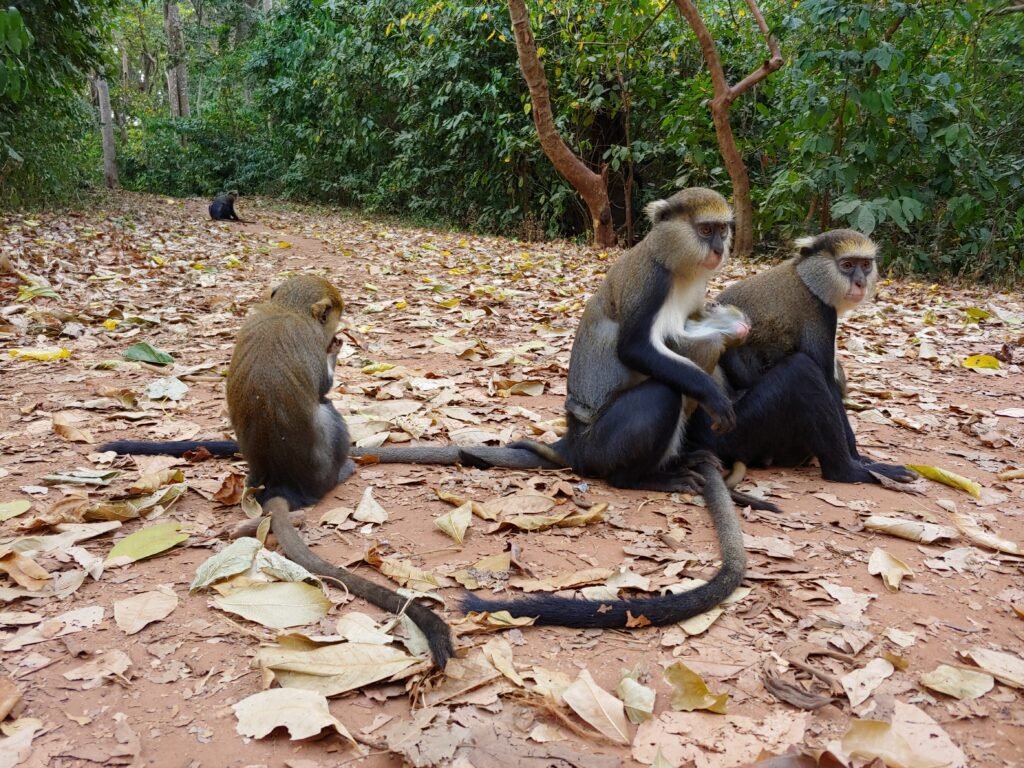
Northern Ghana offers some of the country’s most memorable experiences, including Mole National Park, Larabanga Mosque, Paga Crocodile Pond and traditional heritage sites. However, some official travel advisories currently highlight increased risk in parts of northern Ghana and border areas, so check current advice carefully before planning this section.
A simple 7-day Ghana itinerary for first-time visitors
Here is a realistic first-trip route if you have one week.
Days 1–2: Accra
Use your first two days to settle in, adjust to the heat and explore key city sites.
Good options:
- Kwame Nkrumah Memorial Park
- Independence Square
- W.E.B. Du Bois Centre
- National Museum of Ghana
- Makola Market
- Accra Arts Centre
- Labadi Beach
Do not overload the first day. Traffic, heat and arrival fatigue are real.
Days 3–4: Cape Coast, Elmina and Kakum
Travel west to the Central Region. Visit Cape Coast Castle and Elmina Castle with enough emotional space to process the experience. Add Kakum National Park if you want rainforest and canopy-walk adventure.
This part of the trip is one of the strongest heritage routes in Ghana.
Days 5–6: Kumasi and Ashanti culture
Head inland to Kumasi for Asante heritage, markets and craft villages.
Good options:
- Manhyia Palace Museum
- Okomfo Anokye Sword Site
- Kejetia Market
- Bonwire Kente Weaving Village
- Ntonso Adinkra Cloth Village
Day 7: Return to Accra or add Eastern Region
On your final full day, either return to Accra slowly or add an Eastern Region stop such as Aburi Botanical Gardens or Akosombo if your route allows.
This itinerary gives you a balanced first taste: city, heritage, nature and culture.
Money, cards and cash in Ghana
In major cities, cards may be accepted at hotels, some restaurants, malls and larger businesses. But you should not rely on cards everywhere.
For markets, entry fees, smaller attractions, local guides, roadside food, taxis and rural sites, cash is still important.
Practical money tips:
- Carry some Ghana cedis in smaller notes.
- Do not assume every attraction accepts cards.
- Ask about prices before agreeing to a service.
- Keep emergency cash separate from your main wallet.
- Use ATMs in safer, well-lit areas such as banks, malls or hotel zones.
- Tell your bank before travelling if needed.
Mobile money is widely used locally, but short-term visitors may still find cash simpler for many everyday situations.
Transport: how to get around Ghana
Transport style depends on your route and comfort level.
In Accra and Kumasi, ride-hailing and private taxis are common choices for visitors. For intercity travel, many first-time visitors use private drivers, organised tours, domestic flights on selected routes, or established coach services.
For rural attractions, waterfalls, wildlife areas, heritage villages and remote sites, a local guide or trusted driver can make the visit much easier. Some places are hard to reach without local knowledge.
Good rule: if the listing involves caves, waterfalls, forest, wildlife, remote villages or heritage sites outside a major town, do not rely only on a map pin. Confirm access before travelling.
What to pack for Ghana
Pack for heat, dust, humidity, mosquitoes and mixed road conditions.
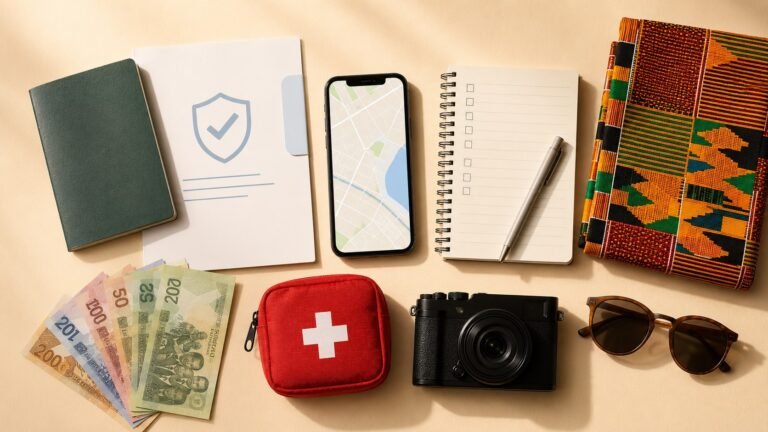
Useful items include:
- Lightweight breathable clothing
- Comfortable walking shoes
- Sandals
- Sun hat or cap
- Sunglasses
- High-SPF sunscreen
- Insect repellent
- Reusable water bottle
- Small first-aid kit
- Power bank
- Travel adapter
- Copies of passport, visa and yellow fever certificate
- Modest clothing for cultural, religious or traditional sites
- Rain jacket if travelling in rainy season
For waterfalls, forests and rural areas, bring proper footwear. For heritage and memorial sites, dress respectfully.
Best time to visit Ghana
Ghana can be visited year-round, but the best time depends on what you want from the trip.
The dry season is often easier for first-time visitors because road access and outdoor sightseeing may be simpler. December is especially popular because of Christmas travel, festivals, concerts, diaspora events and “December in Ghana” energy — but it can also be more expensive and busier.
Rainy periods can still be rewarding, especially for green landscapes and waterfalls, but some rural routes may become harder.
If your priority is easy logistics, plan around weather, flight prices, festival dates and your comfort with heat and humidity.
Cultural etiquette: small things that matter
Ghana is friendly, but visitors should still pay attention to local manners.
Helpful basics:
- Greet people before asking for help.
- Ask before photographing people, markets, ceremonies or sacred sites.
- Use your right hand for giving, receiving, eating and greeting where possible.
- Dress modestly at religious, memorial or traditional sites.
- Respect chiefs, elders, guides and local customs.
- Be patient with slower service or flexible timing.
- Do not treat heritage sites connected to slavery as casual photo stops.
Respect goes a long way.
Food and water
Ghanaian food is one of the joys of travelling here. First-time visitors should try dishes like jollof rice, waakye, banku, grilled tilapia, kelewele, red-red, fufu, light soup and kenkey.
Start gently if your stomach is not used to spicy food or street food. Eat where food is freshly cooked and busy with customers. Drink sealed bottled water or properly filtered water if you are unsure.
Markets and chop bars can be brilliant, but use judgement. A good local guide can make food discovery much easier.
Booking tours and activities
You can visit some Ghana attractions independently, especially in Accra. But tours are useful for:
- Cape Coast and Elmina heritage routes
- Kakum National Park
- Kumasi craft villages
- Volta waterfalls and mountain trips
- Northern Ghana wildlife and heritage routes
- Food and market walks
- First-time city orientation
Before booking, check:
- What is included
- Pick-up location
- Cancellation terms
- Entry fees
- Whether a guide is included
- Group size
- Travel time
- Reviews and provider details
Some booking links on Explore Ghana Now may be affiliate links. If you book through them, the site may earn a commission at no extra cost to you.
Good first-time Ghana mistakes to avoid
Avoid these common mistakes:
- Trying to cover too many regions in one trip.
- Assuming every attraction has fixed online opening hours.
- Forgetting yellow fever documentation.
- Ignoring malaria prevention.
- Booking remote trips without checking road/access conditions.
- Visiting heritage sites too quickly without a guide or context.
- Arriving at rural sites late in the day.
- Relying only on cards.
- Underestimating traffic in Accra.
- Forgetting to check official travel advice before departure.
Ghana is easier when you build in breathing space.
Final thoughts
Your first trip to Ghana can be unforgettable: emotionally powerful, culturally rich, warm, colourful and full of discovery.
Start with a manageable route. Check official travel advice. Sort your visa, yellow fever certificate, malaria prevention and insurance early. Use guides where they add value. Take your time with heritage sites. Leave space for food, music, markets and conversations.
Ghana is not just a place to tick off attractions. It is a country to experience properly.