Is Ghana Safe for Tourists? Practical Advice for First-Time Visitors
Ghana is often seen as one of West Africa’s most welcoming destinations. For many visitors, especially those travelling on well-known routes through Accra, Cape Coast, Kumasi, the Eastern Region, Volta Region and selected heritage or nature sites, Ghana can be a rewarding and memorable first trip to the region.
But if you are planning your first visit, it is natural to ask a serious question:
Is Ghana safe for tourists?
The balanced answer is: Ghana is generally safe for many tourists who plan carefully, use sensible precautions, and follow official travel advice. It is not risk-free, and some areas require extra caution or should be avoided depending on the latest advisory from your government.
Official travel advisories from the UK, US, Canada, Australia and Singapore all advise some level of caution for Ghana, with stronger warnings for certain border or regional areas. That does not mean tourists should panic or cancel automatically. It means you should travel with awareness, plan your route properly, and check the latest official advice before booking.
So, is Ghana safe to visit?
For many first-time visitors, yes — Ghana can be safe to visit, especially if you stay on common tourist routes, use trusted transport, avoid unnecessary late-night movement, and take normal city-travel precautions.
The main tourist areas of Accra, Cape Coast, Elmina, Kumasi, Akosombo, Aburi, Kakum, parts of the Volta Region and selected beach or heritage destinations receive visitors regularly. Many travellers visit Ghana for history, culture, food, music, family visits, diaspora heritage, festivals, business and holidays without serious problems.
However, “generally safe” does not mean “carefree.” Like many destinations, Ghana has risks including petty theft, scams, road safety issues, occasional violent crime, political or local unrest, health risks such as malaria, and security concerns in some border areas.
A sensible way to think about Ghana is this:
Ghana is not a destination to fear, but it is a destination to prepare for.
What do official travel advisories say?
Official advisories are useful because they give you a current risk picture, especially for regional security, health, insurance and entry requirements. They can sound serious because their job is to warn travellers clearly.
The UK Foreign, Commonwealth & Development Office currently advises against all but essential travel to parts of Ghana and reminds travellers that insurance can be invalidated if they travel against FCDO advice.
The US Department of State advises travellers to exercise increased caution in Ghana and says US citizens should reconsider travel to northern border areas near Burkina Faso and Côte d’Ivoire because of civil unrest and crime.
Canada advises travellers to exercise a high degree of caution in Ghana and notes that crime has increased in recent years, especially in large cities such as Accra, Kumasi and Takoradi and their surroundings.
Australia’s Smartraveller advises travellers to exercise a high degree of caution in Ghana overall due to the threat of violent crime, with higher levels applying in some areas.
Singapore’s Ministry of Foreign Affairs advises travellers to exercise caution in Ghana, noting that petty crime and violent crime can occur and that crime is more prevalent at night, particularly in urban areas and isolated locations.
This is why the best message is not “ignore the advisories.” The better message is:
Read the advisories, understand the risks, then plan your trip around safer routes, reliable transport and sensible timing.
Why Ghana still feels manageable for many tourists
Despite the advisories, Ghana remains a popular destination for visitors because many of the main tourist experiences are in established places with regular visitor traffic.
For first-time visitors, the most manageable routes are usually:
- Accra for museums, markets, art, food, beach life and independence history
- Cape Coast and Elmina for castles, heritage sites and Kakum National Park
- Kumasi and the Ashanti Region for Asante history, crafts and markets
- Eastern Region for Aburi, Boti Falls, Akosombo and Lake Volta
- Volta Region for Wli Waterfalls, Mount Afadja and cultural villages
- Selected beach destinations such as Busua, Elmina, Cape Three Points and Kokrobite, depending on your route
The key is not to treat every part of Ghana the same. A daytime visit to a well-known museum in Accra is very different from a remote border-area journey, a late-night walk in an unfamiliar district, or a rural waterfall trip during bad weather.
Plan by route, not by vague country-level assumptions.
Safety in Accra
Accra is often the first stop for visitors. It is lively, busy, spread out and full of contrasts. You can have an excellent time in Accra, but you should move around with the same awareness you would use in any large unfamiliar city.
Good Accra safety habits:
- Use trusted taxis, hotel drivers or recognised ride-hailing services where available.
- Avoid walking alone late at night in unfamiliar areas.
- Keep phones, cameras and bags secure in crowded places.
- Be extra careful around markets, transport hubs, beaches and nightlife areas.
- Avoid displaying expensive jewellery, large amounts of cash or obvious valuables.
- Ask your hotel or host about neighbourhoods to avoid after dark.
- Use ATMs in banks, malls or secure indoor locations where possible.
Canada’s Ghana advisory specifically highlights crime concerns in large cities such as Accra, Kumasi and Takoradi, and says some Greater Accra neighbourhoods should be avoided at night.
That does not mean Accra is off-limits. It means visitors should avoid being casual with city safety.
Safety in Cape Coast, Elmina and heritage areas
Cape Coast and Elmina are major visitor destinations. The castles, forts and nearby Kakum National Park are among Ghana’s most important tourism routes.
These places are generally manageable for tourists, especially with a guide or organised transport. The bigger issues are usually emotional weight, transport planning, heat, crowding at popular times and making sure you have enough time to visit respectfully.
For heritage sites connected to slavery, such as Cape Coast Castle, Elmina Castle, Assin Manso and Bono Manso, safety is not only physical. It is also about respectful travel.
Good practice:
- Use official guides where available.
- Do not rush emotionally heavy sites.
- Avoid treating memorial or slave-route locations as casual photo stops.
- Ask before taking photos of people or ceremonies.
- Confirm opening times before travelling.
- Avoid arriving late in the day if onward transport is uncertain.
Safety in Kumasi and the Ashanti Region
Kumasi is a major city with deep cultural importance. It is worth visiting for Manhyia Palace Museum, Kejetia Market, craft villages, kente weaving, adinkra cloth and Asante heritage.
As with Accra, basic city awareness matters. Kejetia Market and busy transport areas can be crowded, so keep belongings secure and avoid carrying unnecessary valuables.
For craft villages and cultural sites outside the city, use trusted transport or a guide. Distances can feel short on a map but take longer in reality because of traffic, road conditions and stops along the way.
Safety at waterfalls, forests, caves and nature sites
Ghana’s nature sites can be beautiful, but they need a different kind of planning.
For places like Wli Waterfalls, Boti Falls, Kintampo Waterfalls, Fuller Falls, Kakum National Park, Ankasa Conservation Area, Buoyem Caves, Tanoboase Sacred Grove, Mount Afadja or Asumura Rockfowl Sanctuary, the main concerns are usually:
- Slippery paths
- Sudden weather changes
- Remote access
- Limited lighting
- Basic facilities
- Mobile signal gaps
- Need for local guides
- Road conditions
- Insects and heat
Practical tips:
- Wear proper footwear.
- Go earlier in the day.
- Use a guide where recommended.
- Avoid swimming unless clearly permitted and safe.
- Do not wander off marked paths.
- Carry water and insect repellent.
- Check rainy-season access before travelling.
- Confirm whether facilities and transport are available.
These places are part of what makes Ghana special, but they are not always “turn up and stroll around” attractions.
Northern Ghana: take official advice seriously
Northern Ghana has some of Ghana’s most memorable experiences, including Mole National Park, Larabanga Mosque, Paga Crocodile Pond, Pikworo Slave Camp, Sirigu, Tongo Hills and Wechiau Hippo Sanctuary.
However, travellers should pay close attention to official advisories for the north and border areas. The US Department of State says US citizens should reconsider travel to northern border areas near Burkina Faso and Côte d’Ivoire. Australia’s advice applies higher warning levels to some areas and specifically advises against travel to the northern border with Burkina Faso.
This does not mean every northern itinerary is impossible. It means you should not plan northern routes casually. Check the latest advice, use experienced local operators, avoid border-risk areas, and build in flexibility.
For first-time visitors, it may be sensible to leave more complex northern routes for a second trip unless you are travelling with a trusted guide or reputable tour operator.
Transport safety in Ghana
Transport is one of the biggest practical safety considerations.
Road conditions, driving styles, night travel, vehicle quality and long-distance fatigue can all affect safety. For first-time visitors, the safest approach is usually to prioritise trusted drivers, reputable transport companies, organised tours or hotel-arranged transfers.
Good transport habits:
- Avoid unnecessary long-distance road travel at night.
- Use seatbelts where available.
- Do not assume travel times from maps are realistic.
- Confirm return transport before going to remote sites.
- Use registered taxis or recognised ride-hailing in cities.
- Ask your hotel or local contact before using unfamiliar transport.
- For rural attractions, use a driver who knows the route.
Singapore’s travel advice specifically advises caution when using taxis or public transport and recommends using only registered taxis.
Health safety: malaria, yellow fever and insurance
Health preparation is a major part of staying safe in Ghana.
CDC recommends that travellers going to Ghana take prescription medicine to prevent malaria and speak to a doctor about the right medication before travel. TravelHealthPro states that, under International Health Regulations, a yellow fever vaccination certificate is required from all travellers over 9 months of age.
Before travelling, check:
- Yellow fever certificate requirements
- Malaria prevention
- Routine vaccines
- Travel insurance
- Mosquito bite prevention
- Medication you need to carry
- Food and water precautions
- Heat and hydration planning
Do not leave health checks until the week before travel. Some vaccines and malaria tablets need planning time.
Money, scams and everyday precautions
Most visitors will not face serious problems, but petty crime and opportunistic scams can happen.
Practical habits:
- Keep small cash separate from your main wallet.
- Do not flash large amounts of cash.
- Be cautious with unsolicited help at airports, markets or transport hubs.
- Agree prices before accepting informal services.
- Use official ticket desks or known providers where available.
- Be careful with romance, investment or online-business approaches.
- Avoid sending deposits to unknown individuals without verification.
- Keep copies of important documents separately.
If something feels rushed, confusing or overly pressured, step back.
Safety for solo travellers
Solo travel in Ghana is possible, but first-time solo visitors should be thoughtful.
Solo traveller tips:
- Book your first nights of accommodation before arrival.
- Arrange airport pickup or a trusted transfer.
- Share your route with someone.
- Avoid isolated beaches or streets at night.
- Use guided tours for remote sites.
- Keep your phone charged.
- Trust your instincts if a situation feels uncomfortable.
Solo female travellers should take the usual extra precautions around nightlife, transport, accommodation location and unwanted attention. Ghana can be friendly, but friendliness should not override personal boundaries.
Safety for diaspora travellers
Diaspora travellers often visit Ghana for personal, cultural, spiritual or family reasons. That can make the trip powerful, but also emotionally intense.
If you are visiting heritage sites connected to the transatlantic slave trade, such as Cape Coast Castle, Elmina Castle, Assin Manso, Bono Manso or Pikworo, give yourself enough time and emotional space.
For family, land, business or relocation-related visits, get proper local advice before making payments, signing documents or trusting informal arrangements. Cultural connection is meaningful, but practical checks still matter.
What to do if something goes wrong
Before travelling, save:
- Your country’s embassy or high commission contact details
- Your travel insurance emergency number
- Your hotel contact
- A trusted local contact or guide
- Emergency medical contacts where available
- Copies of your passport, visa and yellow fever certificate
If you are robbed, threatened or involved in an incident, prioritise your safety. Do not resist violent crime. Report serious incidents to local authorities and contact your embassy or consulate if needed.
Singapore’s MFA specifically advises that if you are a victim of violent crime, you should not resist because it could escalate the violence.
Curated picks
Good places for first-time visitors
Hand-picked Ghana places from the directory.
 Day Trips
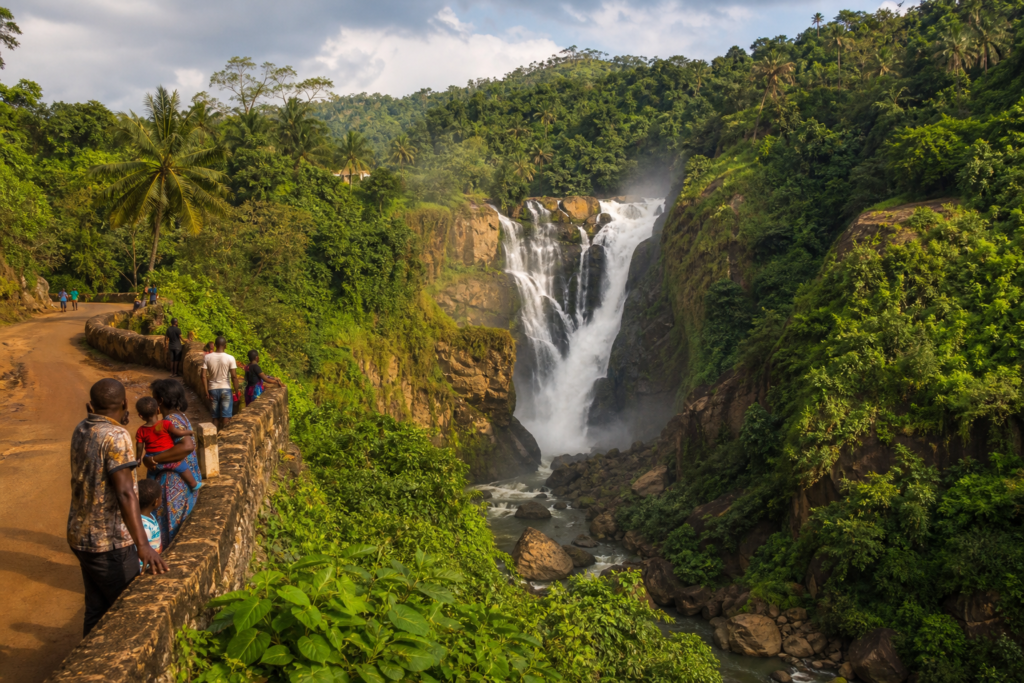
Kintampo Waterfalls
Classic waterfall stop on the Kumasi-to-north travel route.
 Cultural Centres
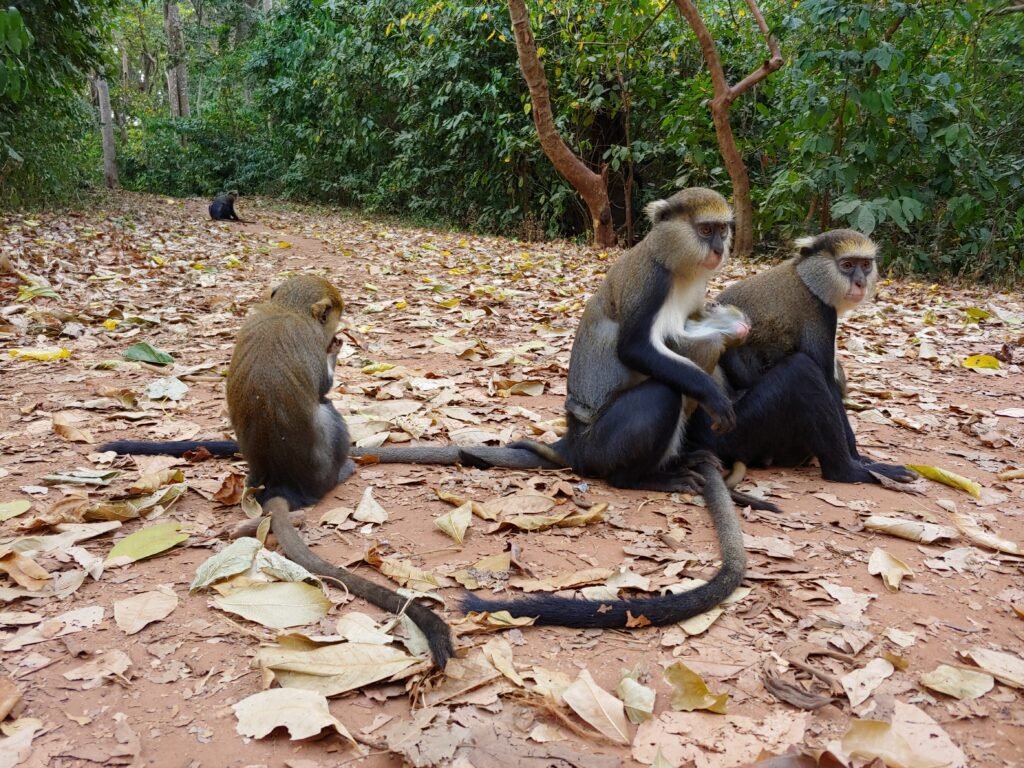
Boabeng-Fiema Monkey Sanctuary
Sacred monkeys, village life and community conservation in one memorable stop.
Fort Metal Cross, Dixcove
A key Western Region fort near Busua and Dixcove
Fort Apollonia, Beyin
A Beyin fort beside the Nzulezu travel route
Fort St. Anthony, Axim
One of Ghana's oldest coastal forts
Bisa Abrewa Museum
A Pan-African museum in Sekondi-Takoradi
A simple safety checklist before your Ghana trip
Before you travel, check:
- Your government’s latest Ghana travel advice
- Passport validity
- Visa or eVisa requirements
- Yellow fever certificate
- Malaria prevention
- Travel insurance
- Accommodation location
- Airport arrival plan
- First two days of transport
- Any regional warnings for your itinerary
- Local guide or driver for remote places
- Opening times and access for key attractions
This checklist will prevent most avoidable headaches.
Final verdict: is Ghana safe for tourists?
Ghana is generally safe for many tourists, especially those who stick to established routes, travel during the day, use trusted transport, take health precautions and check official advice.
But Ghana should not be treated as risk-free. Official advisories exist for a reason, especially around crime, night travel, health risks and some northern or border areas.
The sensible conclusion is this:
Do not be scared of Ghana. Be prepared for Ghana.
With the right planning, Ghana can be one of the most meaningful, welcoming and memorable trips you take.