Travellers planning a first visit to Ghana need to meet several entry requirements before departure, including obtaining the correct visa or eVisa, holding a valid passport with sufficient remaining validity, and carrying proof of yellow fever vaccination. Requirements vary by nationality and should be confirmed through official sources.
Health preparations are also essential, particularly malaria prevention, which applies across all regions of Ghana. Travel insurance, copies of key documents, and confirmed accommodation details are recommended to ensure a smooth arrival at Kotoka International Airport in Accra.
Ghana Entry Requirements: Visa, eVisa, Yellow Fever and Travel Documents
Planning your first trip to Ghana is exciting, but before you start booking hotels, tours and places to visit, it is worth getting the entry requirements right.
For many travellers, Ghana is a welcoming and rewarding destination. But like any international trip, you need the right documents before you travel. Visa rules, passport validity, vaccination certificates and health requirements can affect whether you are allowed to board your flight or enter the country.
This guide explains the key Ghana entry requirements for first-time visitors, including visas, Ghana’s eVisa system, yellow fever vaccination, malaria prevention, travel insurance and the documents to check before departure.
This is general travel guidance, not official immigration or medical advice. Always check the latest official advice before booking or travelling.
Quick Ghana entry checklist
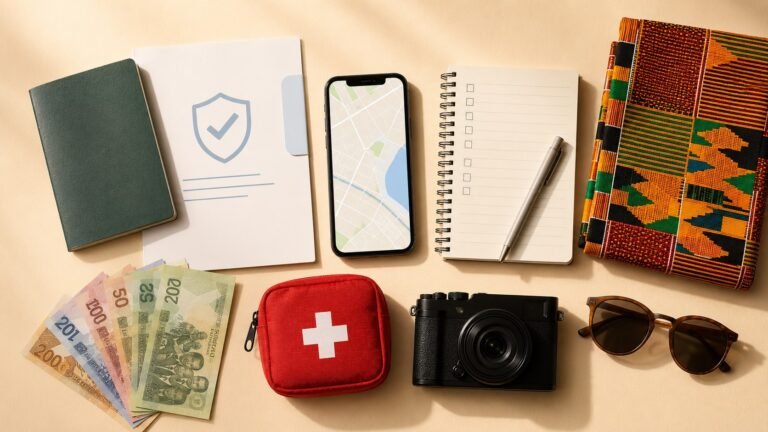
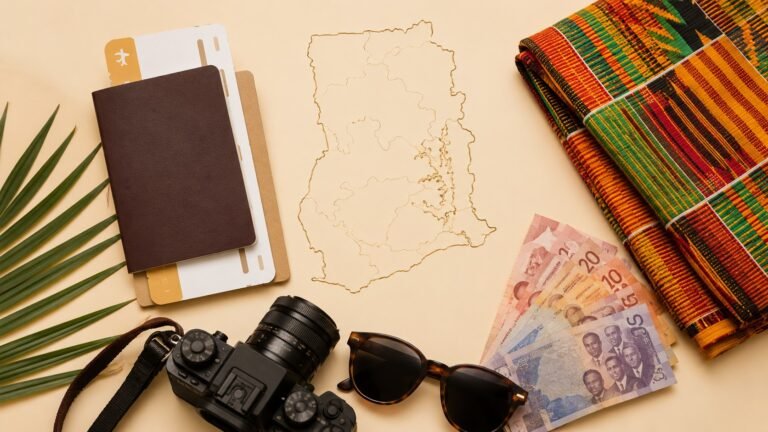
Before travelling to Ghana, check that you have:
- A valid passport
- Enough passport validity for entry
- A Ghana visa, eVisa or entry permit if required
- Proof of yellow fever vaccination
- Travel insurance
- Malaria prevention advice from a healthcare professional
- Return or onward travel details
- Accommodation details for at least the start of your trip
- Copies of important documents
- Official travel advice from your own government
Do not leave these checks until the final week before travel. Some visas, vaccines and medical preparations need time.
Do you need a visa to visit Ghana?
Many visitors need a visa or electronic visa before travelling to Ghana. Whether you need one depends on your nationality, passport type, reason for travel and any visa exemption arrangements that apply.
Travellers from some countries may be exempt, while others must apply before travelling. First-time visitors from places such as the UK, US, Canada, Europe, Australia and many Asian countries should check their specific requirements before making firm travel plans.
Do not assume that because you are visiting as a tourist, you can simply arrive and enter. Ghana’s entry rules are formal, and airlines may check your documents before allowing you to board.
The safest approach is to check with:
- Ghana Immigration Service
- Ghana’s official eVisa portal
- The Ghana embassy or high commission responsible for your country
- Your own government’s Ghana travel advice
Ghana eVisa and Electronic Travel Authorisation
Ghana now has an official online eVisa and Electronic Travel Authorisation platform. This is designed to make the application process easier for eligible travellers.
Through the eVisa portal, visitors can check eligibility and apply online for visa types such as tourist, business, student or transit visas.
Before starting an application, make sure you have the correct details and documents ready. Your name should match your passport exactly. Do not use nicknames, shortened names or alternative spellings unless they appear that way on your passport.
You may need to provide details such as:
- Passport information
- Travel dates
- Reason for visit
- Accommodation or host details
- Supporting documents
- Payment information
- Contact details
Visa processing can take time, and requirements may change, so apply early rather than waiting until your departure date is close.
Passport validity for Ghana
Your passport must be valid for travel to Ghana. For many travellers, the key rule is that your passport should be valid for at least six months from the date you arrive.
You should also check whether your passport has enough blank pages for entry stamps and visas.
Before booking, check:
- Passport expiry date
- Blank visa/stamp pages
- Whether your passport has been reported lost or stolen
- Whether your name matches your visa or eVisa application
- Whether your passport condition is acceptable
A damaged passport, expired passport or mismatch between passport and visa details can cause problems at the airport or border.
Yellow fever certificate: do you need one?
Yes, travellers to Ghana should expect to need proof of yellow fever vaccination.
Ghana is a yellow fever risk country, and official travel health guidance states that a yellow fever vaccination certificate is required from travellers over 9 months of age.
This certificate is usually recorded in the International Certificate of Vaccination or Prophylaxis, often called the yellow card.
Do not treat this as optional. Without valid proof, you may face problems entering Ghana.
Book your travel clinic appointment early, especially if you are travelling during a busy holiday period. Some people cannot receive the yellow fever vaccine for medical reasons, so discuss your situation with a qualified healthcare professional.
Malaria prevention for Ghana
Malaria is present in Ghana, and travellers should take it seriously.
Before travelling, speak to a travel clinic, doctor or pharmacist about malaria prevention. You may be advised to take prescription antimalarial medicine before, during and after your trip.
You should also plan how to avoid mosquito bites, especially in the evening and overnight.
Useful precautions include:
- Using insect repellent
- Wearing long sleeves and trousers in the evening
- Sleeping in screened or air-conditioned rooms where possible
- Using mosquito nets where needed
- Taking antimalarial medication exactly as prescribed
- Seeking medical help quickly if you develop fever during or after travel
Malaria prevention is not just for remote areas. It matters for city, coast, forest, lake and rural travel.
Other vaccines and health checks
Yellow fever and malaria are the headline issues, but they are not the only health checks to consider.
Before travelling to Ghana, check current vaccine and health advice for:
- Hepatitis A
- Tetanus
- Typhoid
- Routine vaccines
- Measles
- Rabies, depending on your activities
- Traveller’s diarrhoea precautions
- Heat and hydration risks
A travel clinic can advise based on your age, health, route, length of stay and planned activities.
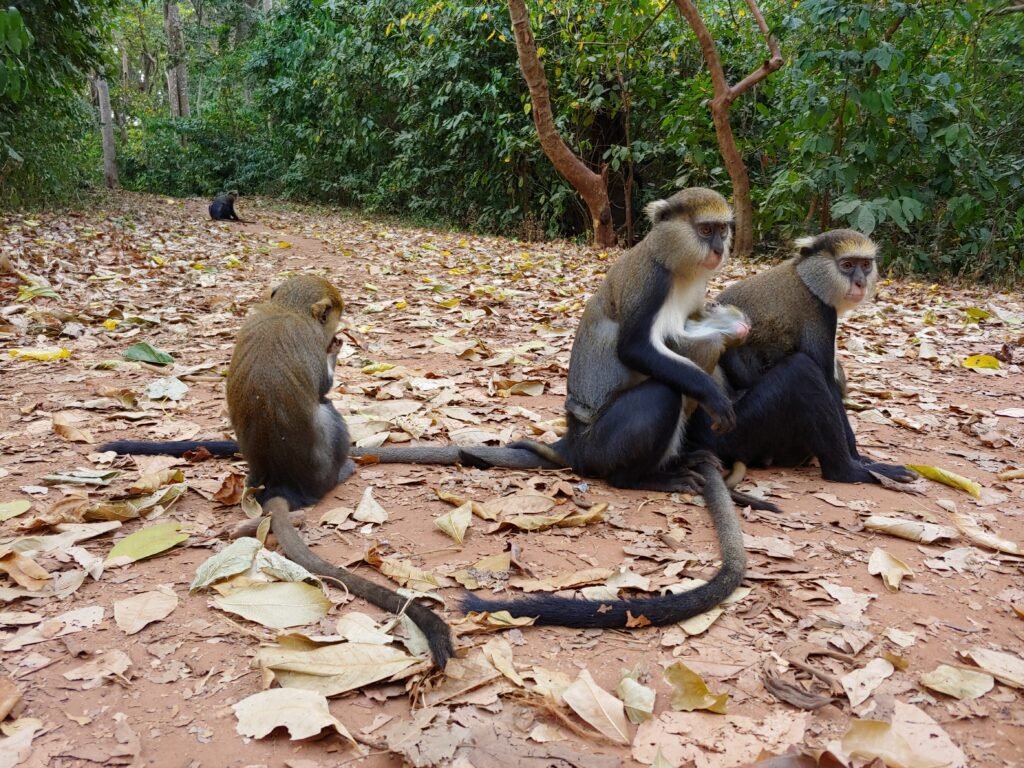
For example, a short city trip to Accra may involve different advice from a longer trip including forests, rural villages, wildlife areas, waterfalls or northern Ghana.
Travel insurance
Travel insurance is strongly recommended for Ghana.
Your insurance should be suitable for your trip, not just the cheapest policy available. Check that it covers:
- Medical treatment abroad
- Emergency evacuation or repatriation
- Cancellation
- Lost baggage
- Theft
- Travel delays
- Activities you plan to do
- Any existing medical conditions
- Regions you plan to visit
Also check whether your insurance remains valid if you travel against your government’s official travel advice. Some policies may not cover travel to areas where your government advises against non-essential or all travel.
Read the small print before you book.
Return ticket, accommodation and arrival details
Immigration officers or airlines may ask about your travel plans. It is sensible to have clear details ready.
Carry copies of:
- Return or onward ticket
- Hotel booking or accommodation address
- Host contact details, if staying with family or friends
- Travel insurance
- Visa or eVisa approval
- Yellow fever certificate
- Emergency contact details
You do not need to overcomplicate this, but you should be organised.
First-time visitors should ideally book their first few nights of accommodation before arrival. This makes your entry smoother and helps you settle in after the flight.
Documents to keep with you
Before travelling, save digital copies and carry printed copies of important documents.
Useful documents include:
- Passport photo page
- Visa or eVisa confirmation
- Yellow fever certificate
- Travel insurance certificate
- Flight booking
- Accommodation booking
- Emergency contacts
- Medical prescriptions
- Driver or guide contact details
- Tour booking confirmations
Keep copies in your email or cloud storage and also carry a printed set separately from your passport.
This is especially helpful if your phone battery dies, your bag is misplaced or internet access is unreliable.
Entry requirements for UK, US, Canadian, European and Asian travellers
Entry requirements depend on nationality. A visitor from the UK may not have exactly the same process as a visitor from the US, Canada, India, China, Japan, Germany, France, the Netherlands or Australia.
That is why this article cannot replace official advice.
Before travelling, check:
- Your government’s Ghana travel page
- Ghana Immigration Service
- Ghana’s official eVisa portal
- The nearest Ghana embassy or high commission
- Your airline’s document requirements
Airlines can deny boarding if they believe your documents are not valid for entry, even before you reach Ghana.
Arriving at Kotoka International Airport
Most international visitors arrive through Kotoka International Airport in Accra.
Before arrival, make sure your documents are easy to access. Do not pack your yellow fever certificate or visa documents deep inside checked luggage.
On arrival, you may need to show:
- Passport
- Visa or eVisa approval
- Yellow fever certificate
- Arrival details
- Accommodation address
- Return or onward ticket, if requested
After immigration and baggage collection, use trusted transport from the airport. First-time visitors may prefer hotel-arranged pickup, a known driver, or a recognised ride-hailing option where available.
Common mistakes first-time visitors make
Avoid these common Ghana entry and travel-document mistakes:
- Applying for a visa too late
- Assuming a visa is not needed
- Forgetting the yellow fever certificate
- Travelling with less than six months passport validity
- Using a different name on the visa application from the passport
- Not checking official travel advice
- Forgetting malaria prevention
- Failing to arrange travel insurance
- Arriving without accommodation details
- Keeping all documents only on one phone
These are avoidable problems. A little preparation makes the trip smoother.
Planning beyond entry: where to go first
Once your documents are sorted, you can start planning the fun part of the trip.
For first-time visitors, a good Ghana route often starts with:
Accra
Accra is the usual arrival point and a good place to begin. It offers museums, independence history, markets, art, food, beaches and nightlife.
Good first stops include Kwame Nkrumah Memorial Park, Independence Square, W.E.B. Du Bois Centre, the National Museum of Ghana, Makola Market and Accra Arts Centre.
Cape Coast and Elmina
Cape Coast and Elmina are important for visitors interested in Ghana’s coastal heritage, castles and the transatlantic slave trade. Cape Coast Castle, Elmina Castle and Kakum National Park are often combined in one route.
Kumasi and Ashanti Region
Kumasi is ideal for Asante history, palaces, markets, kente weaving, adinkra cloth and traditional craft villages.
Eastern Region or Volta Region
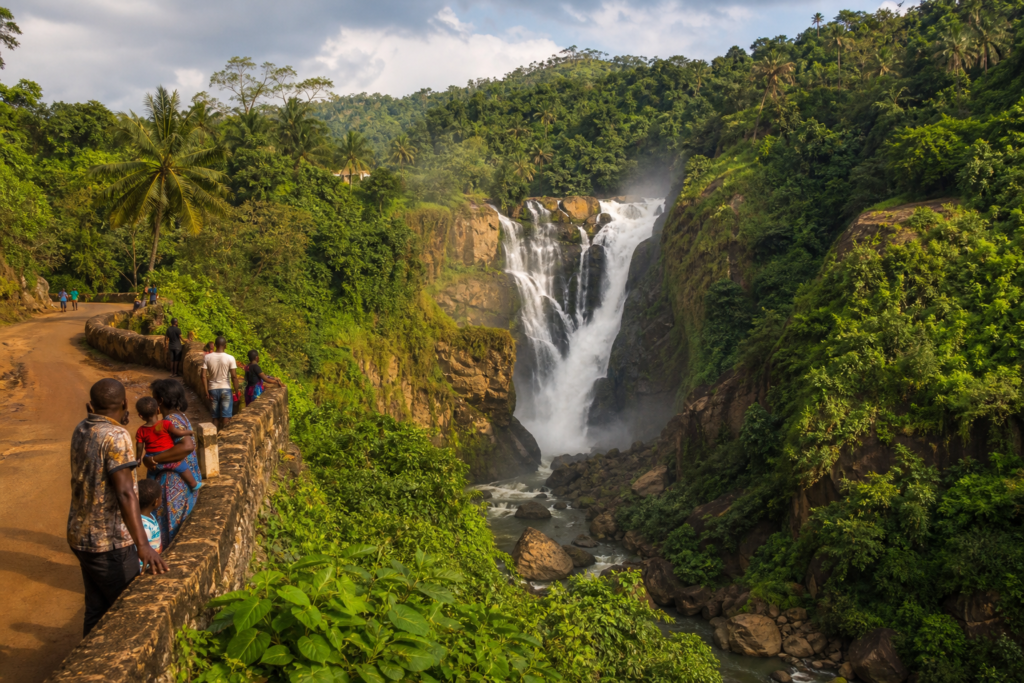
These regions are good for gardens, waterfalls, mountains, lake views and nature escapes.
Before heading to remote waterfalls, forests, wildlife sites or northern routes, check access, timing and current travel advice.
Final checklist before departure
Before leaving for Ghana, confirm:
- Passport validity
- Visa or eVisa approval
- Yellow fever certificate
- Malaria prevention plan
- Travel insurance
- Flight details
- First accommodation booking
- Airport transfer or arrival transport
- Emergency contacts
- Official travel advice
- Copies of all key documents
Once these are in place, you can travel with much more confidence.
Final thoughts
Ghana is a deeply rewarding destination for first-time visitors, but your trip will be much easier if the paperwork and health checks are sorted early.
Start with your passport and visa. Confirm the yellow fever certificate requirement. Speak to a travel health professional about malaria and vaccines. Get proper travel insurance. Check official advice before booking and again before departure.
Then you can focus on the reason you wanted to visit Ghana in the first place: the history, food, culture, landscapes, music, markets, heritage sites and people that make the country so memorable.